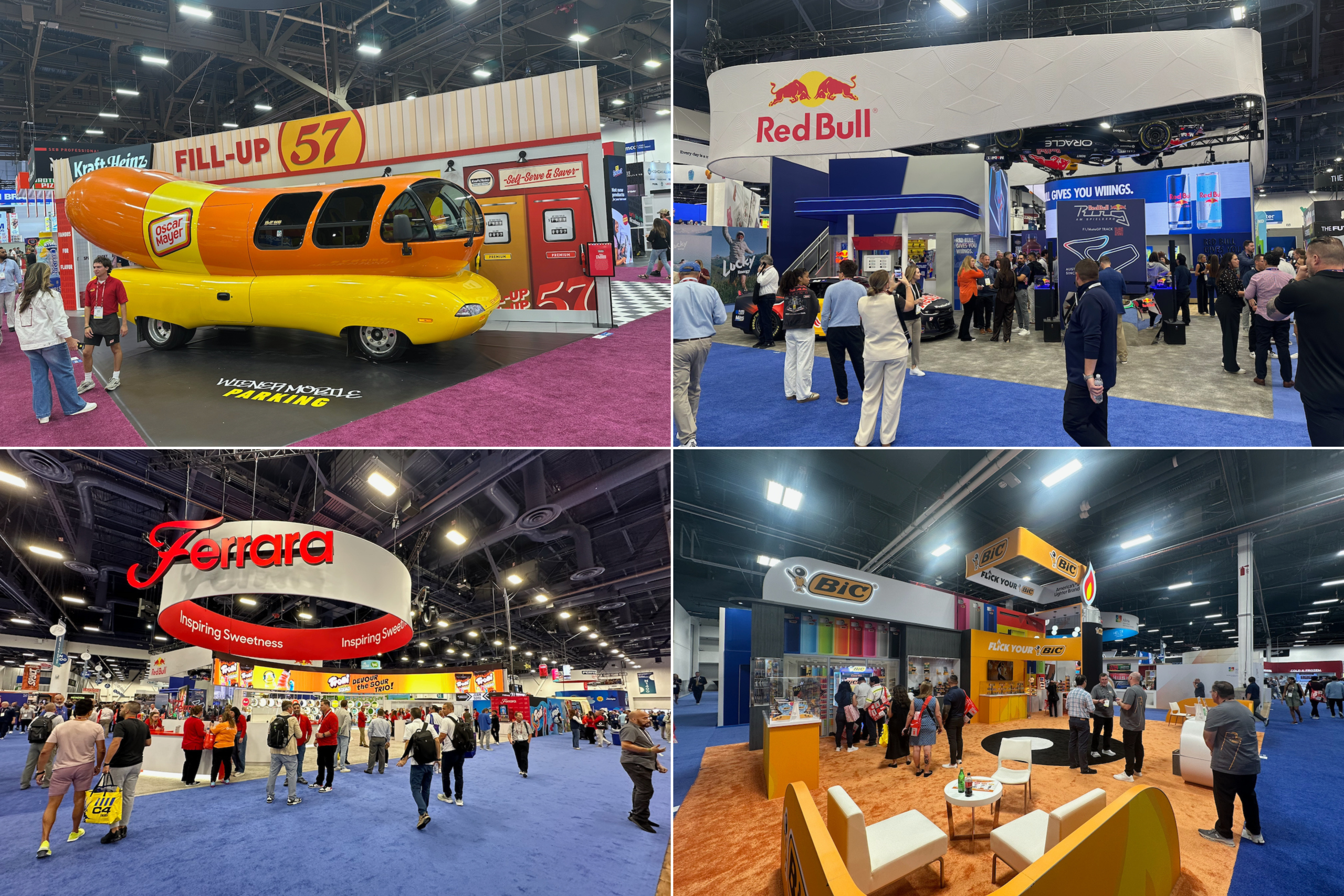

CPG brands have lost much of their say over how they show up in stores. Trade money has moved into retail media, store labor is thin, and nearly a third of paid displays never reach the sales floor. Convenience stores, small and tightly managed, are no exception. The brands that still stand out design for the retailer’s own fixtures and category sets, make the package do the display’s job, and check what they paid for.
The planogram said four facings at eye level. The store walk showed two, one of them empty, half hidden behind a competitor’s shipper. The money was spent months ago, and nobody on the brand side knew until a sales rep sent a photo.
That gap is now the normal state of CPG at retail. Brands are spending more to be in the store and controlling less of what happens once they get there. What is left is mostly design: what the package says, where the product can sit, and whether a display survives a store with few hands and no spare floor.
Trade money moved into media, not the aisle
Brand budgets have followed retailers into media. US advertisers spent $60.32 billion on retail media in 2025, and EMARKETER forecasts $71.09 billion in 2026. Some of that money once paid for displays, coupons and in-store programs. Estimates of how much vary, from about a fifth of retail media spend in a Path to Purchase Institute survey to well over a third in Forrester’s research, because each survey defines budgets differently. Coupons tell the same story from the other side: US coupon distribution fell to 34 billion in 2025, down from 53.1 billion the year before.
Very little of the new money reaches the physical store. EMARKETER forecasts that in-store screens will take 0.8% of US retail media spending in 2026, about $580 million.
Nearly a third of paid displays never reach the floor
Researchers at the University of Texas at Austin put sensors on about 15,000 promotional displays across 4,786 stores of a large national chain. Twenty-nine percent never reached the sales floor. The ones that did stayed out for only 62% of the campaign, and only 2% went up and came down on schedule.
The bigger and more complex the display, the less likely it was to go up. Co-author Ashish Agarwal described the store side plainly: displays “are a hassle to assemble and to dismantle,” they take up backroom space, and they clutter the floor.
Getting it right pays. An earlier POPAI study found only about half of planned displays were properly executed, and the ones that were returned $3.18 in incremental sales for every dollar spent. For brands, the uncomfortable lesson is that a display’s design matters less than whether a store employee will build it.
Convenience stores are not the exception
Convenience can look like the answer. It is less saturated with retail media than grocery, and the trips are fast and impulse-driven. In practice, the small footprint works against brand activations. The average c-store is about 3,041 square feet. That space has to hold foodservice, a cold vault, tobacco, checkout and open aisles for a trip that often lasts three to four minutes.
Operators guard that space closely. A permanent or semi-permanent fixture supplied by a brand rarely gets installed unless it is part of the retailer’s own plan. There is a reason for the caution. In a 2026 field study at a small supermarket, removing five floor stands from the middle of one aisle raised that aisle’s share of store sales by about 11.5%, even with fewer products on display. A c-store has a fraction of that floor to give.
On the record, operators talk mostly about temporary displays, and the instinct is the same. “We want to keep our pathways as open as possible, so we’re very picky about adding temporary vendor displays,” Scott Hein of Iowa 80 Truckstop told NACS Magazine in 2023. Nathan Arnold of Englefield Oil, which runs the Ohio-based Duchess chain, described taking product “out of floor displays and shippers” and placing it on the store’s own bins and tables instead.
When displays do go in, they often go in badly. At CSP’s 2025 Center Store Forum, consultant Richard Poye described one store with “13 shippers on the floor, three massive stack-outs,” two of them past their promotional dates. At NACS in October, a brand-side leader described the view from the CPG side: compliance varies from franchisee to franchisee, there is little room for shippers and displays, and trade spend has to pay off on thin margins.
Secondary placement still happens when the retailer plans it. Chevron’s ExtraMile stores worked with Mars Wrigley, through its role as category captain, to add confection racks above ice cream bunkers, space that was otherwise empty. The program won a 2025 Convenience Store News Category Excellence award. The difference is ownership. The rack was part of the retailer’s own plan.
The category set decides where a product can live
In a small store, the planogram is the gatekeeper, and space is close to zero-sum. When a new item comes into the cold vault, operators decide which existing item gives up a facing. One operator described the review as asking, “do we reduce some products with multiple facings to bring this one in?” A product that does not fit a set has no default home.
That puts packaging to work as a sorting tool. A functional drink or a protein snack has to tell a category manager, at a glance, which set it belongs in. A pack that reads as two categories at once can leave the buyer with no obvious place to put it.
SKU growth tightens the squeeze. In a 2020 L.E.K. Consulting survey of 287 CPG brand decision-makers, the average primary brand carried 49 SKUs in 2017 and expected to carry 68 by 2021. Many of the largest brands have since cut back to protect margins. The variants that remain still fight for the same facings. Shoppers try a scent, like it, and come back to find it gone. The replacement they pick often belongs to someone else.
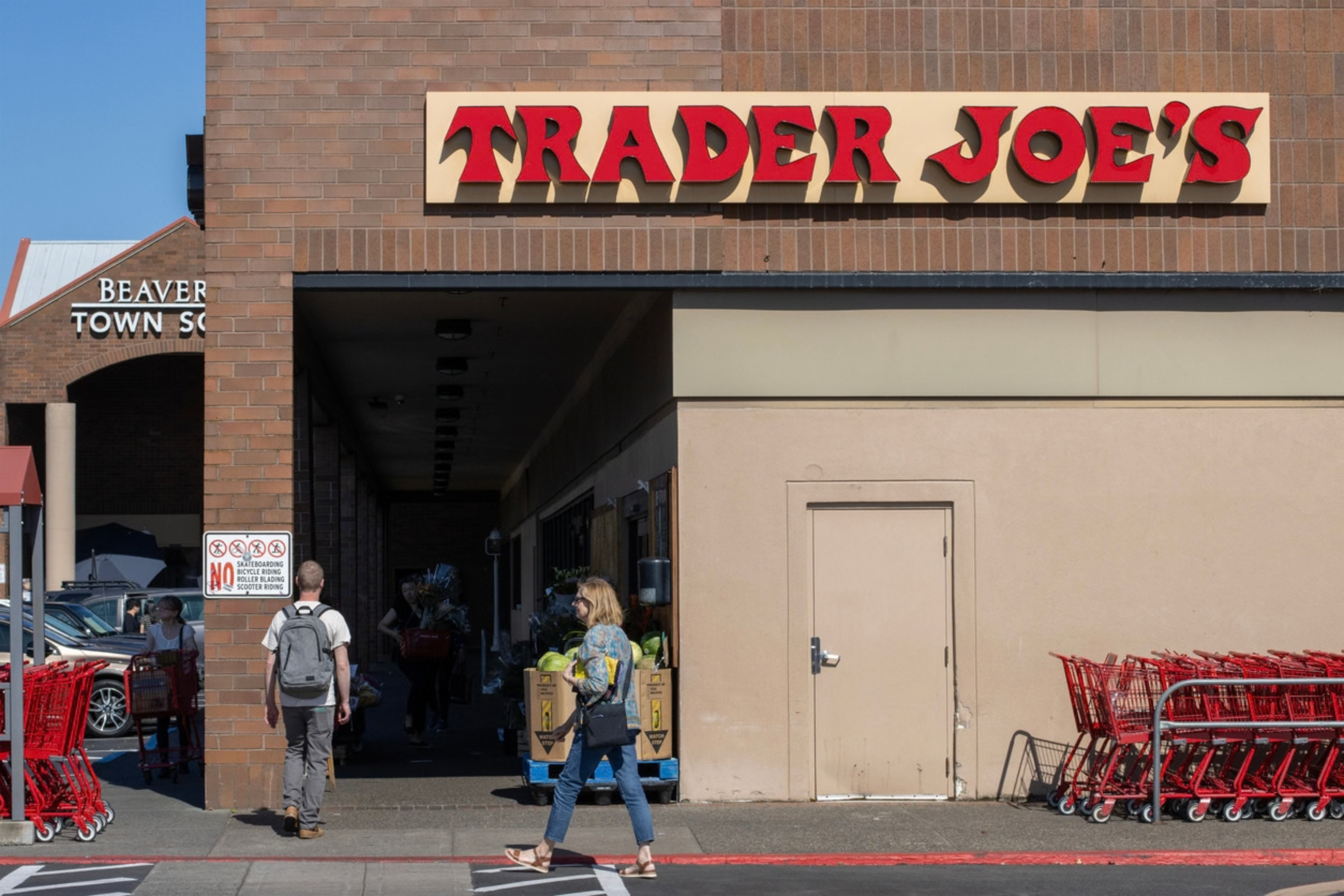
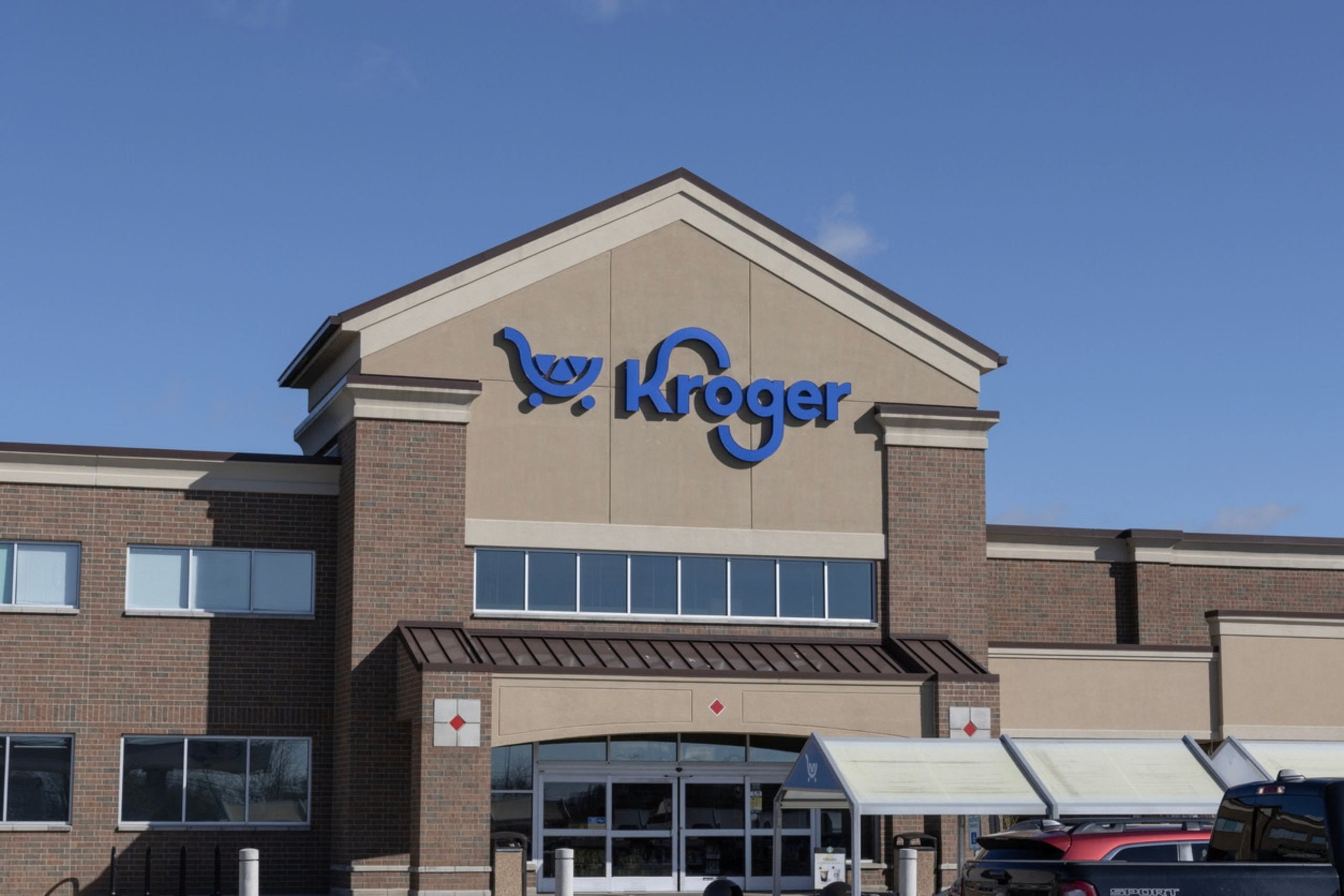
A small brand can still find a slot the retailer has already defined. Frostop Root Beer, a Columbus brand that started in hardware store impulse racks, landed in Kroger’s local section and checkout coolers in Central Ohio instead of the main beverage aisle. No new fixture was required. The retailer already had a set with room for it.
Some practical thoughts on design
Fit the retailer’s fixtures
Unique sizes and formats are ownable, but they can create more problems than they solve. The brands that win secondary space work inside fixtures the store already owns: side panels that clip to an endcap, clip strips, under-counter trays and queue-line facings. In 2023 Daniel DeMeyer of Kellogg’s tells NACS Magazine the strategy must “draw consumer attention without creating clutter.” A unit that needs assembly, floor space and a removal date is the display most likely to stay in the backroom, and package that requires moving pegs and shelves is likely to miss a facing.
The package is the display
For many brands it is worth looking at the fundamentals with a fresh set of eyes. In a time when are emphasizing dietary and health storytelling on pack, it is important to consider how hard you are asking a consumer to work to make a selection. In a three-minute trip, the package is the only brand asset guaranteed to be in the store. Explorer Research, an eye-tracking firm, estimates shoppers look at a pack on shelf for about 1.9 seconds. Butterball’s 2026 redesign was built for that moment. It raised shelf findability from 82% to 87% in a controlled shopper test. Shelf-ready cases that open straight onto the shelf matter for the same reason. They remove a step for store staff who no longer have time for it.
Keep the cooler door clear
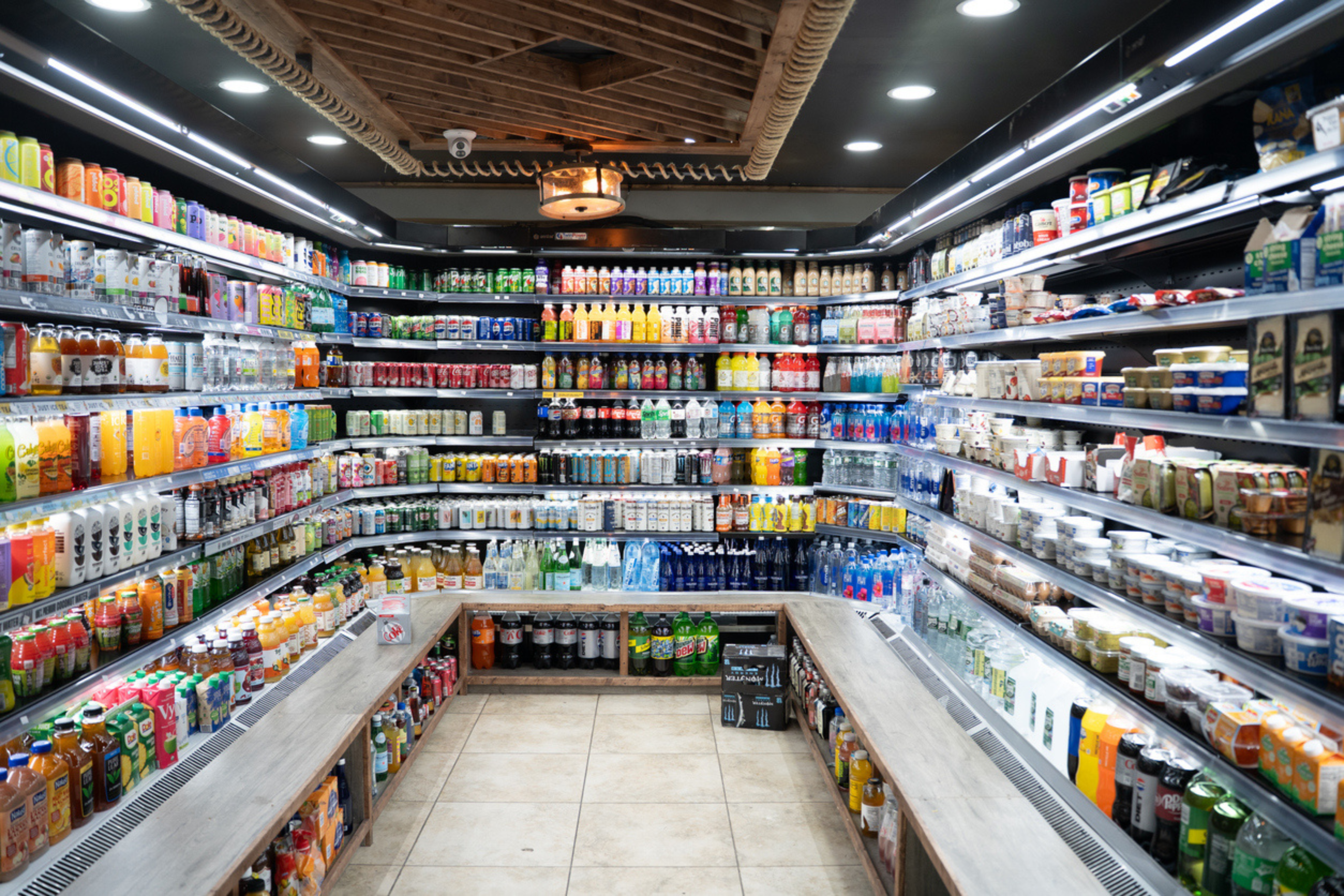
Point of purchase in the cold vault is sometimes a cling or sticker on the door, and those clings often block product view. Newer formats, such as slim screens built into door handles and tap points for phones can carry a message while leaving the glass clear.
Plan screens into the store
Retail media is arriving in c-stores as screens at the pump, in the window and on the cooler door. Casey’s installed its pump screens years before it sold ads on them, “intentionally because we knew that at some point we would want to light those screens up.” Many stores take the opposite path and add screens to walls and fixtures that were never planned for them. A screen placed beside the product it promotes gives the shopper a reason to reach for it. A screen bolted to a spare wall is one more thing to look past.
Check what you paid for
In a word, verify. Large US retailers reported average planogram accuracy of 57% in a 2025 IHL Group study sponsored by Brain Corp, a maker of shelf-scanning robots; the figures are self-reported. Slotting and placement deals carry real money, and planograms can shift seasonally or even monthly. Brands that audit execution know whether they got the facings and position they paid for. Brands that do not are guessing.
The shelf still decides the trip
For a grocer or a c-store, CPG availability is a big part of why people show up at all. A shopper who cannot find the drink or snack they came for will try somewhere else next time. The brands that understand this design for the fixtures the retailer already owns, and keep checking the shelf long after the slotting check clears.