
NACS 2026 pointed to five trends: functional nutrition everywhere, a cold vault rebuilt around energy, retail media growing up, food as the reason to visit, and basics like clean restrooms acting as the brand. In-store transactions fell 4.5% in the first half of 2026, so each trip matters more. For operators and CPG brands alike, the message from the stage was the same: how the store looks, works and feels still impacts the sale.
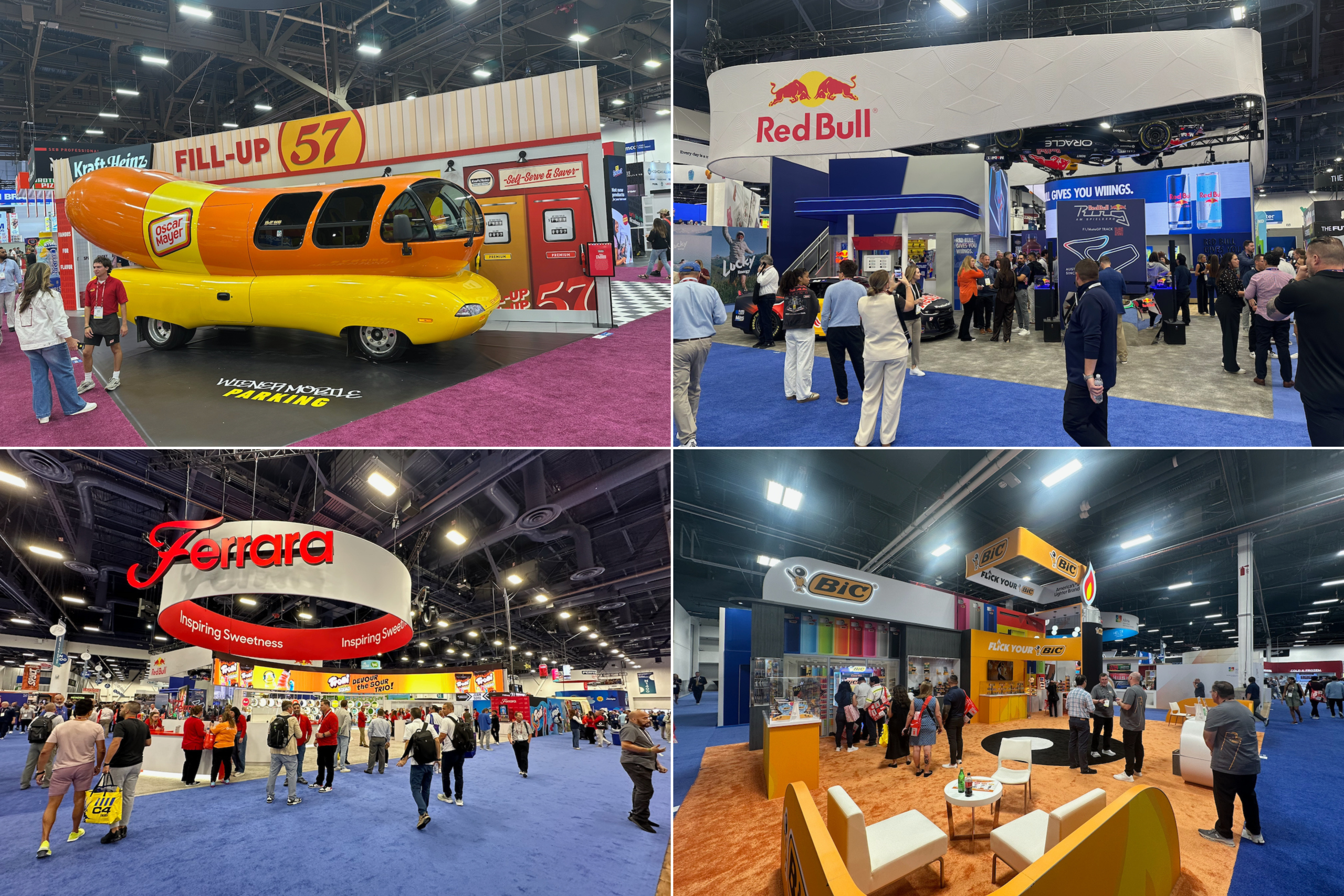
Ten minutes after the expo doors opened on Wednesday, the Oscar Mayer Wienermobile was parked at a branded fuel station in the middle of the hall. A few aisles over sat a painted VW bus, DJ’s, live bands, golf simulators, even F1 cars and a racing simulator. The CPG booths were the most ambitious brand environments in the building.
That was the floor. The education sessions told a quieter, if not more useful story. Operator after operator came back to the same short list: clean restrooms, good lighting, working equipment, friendly staff, and appealing food and a big selection of energy drinks. Technology came after all of it.
NACS ran Oct. 6 to 9 in Las Vegas. Here are the five things we came home with.
- Functional nutrition is everywhere, and protein is becoming table stakes
Protein was the loudest claim on the floor. C-Store Dive counted it in roughly every third booth, and launches went far past bars and jerky into crackers, popcorn, beverages and breakfast sandwiches. In the Thursday general session, NACS tied the trend to GLP-1 use. Roughly one in seven Americans have tried one.
Hydration was the other big claim, and exhibitors pointed to fiber and creatine as what comes after protein. Jason Zelinski of NielsenIQ and Suzy Badaracco of Culinary Tides both said healthy snacking is growing while traditional salty and sweet snacks are flat. Badaracco’s advice to retailers was simple: say the benefit out loud, on pack and on shelf.
For CPG brands, that cuts both ways. When every package claims protein, the claim stops setting a brand apart. The brands that win will make the benefit readable at a glance.
- The cold vault is being rebuilt around energy
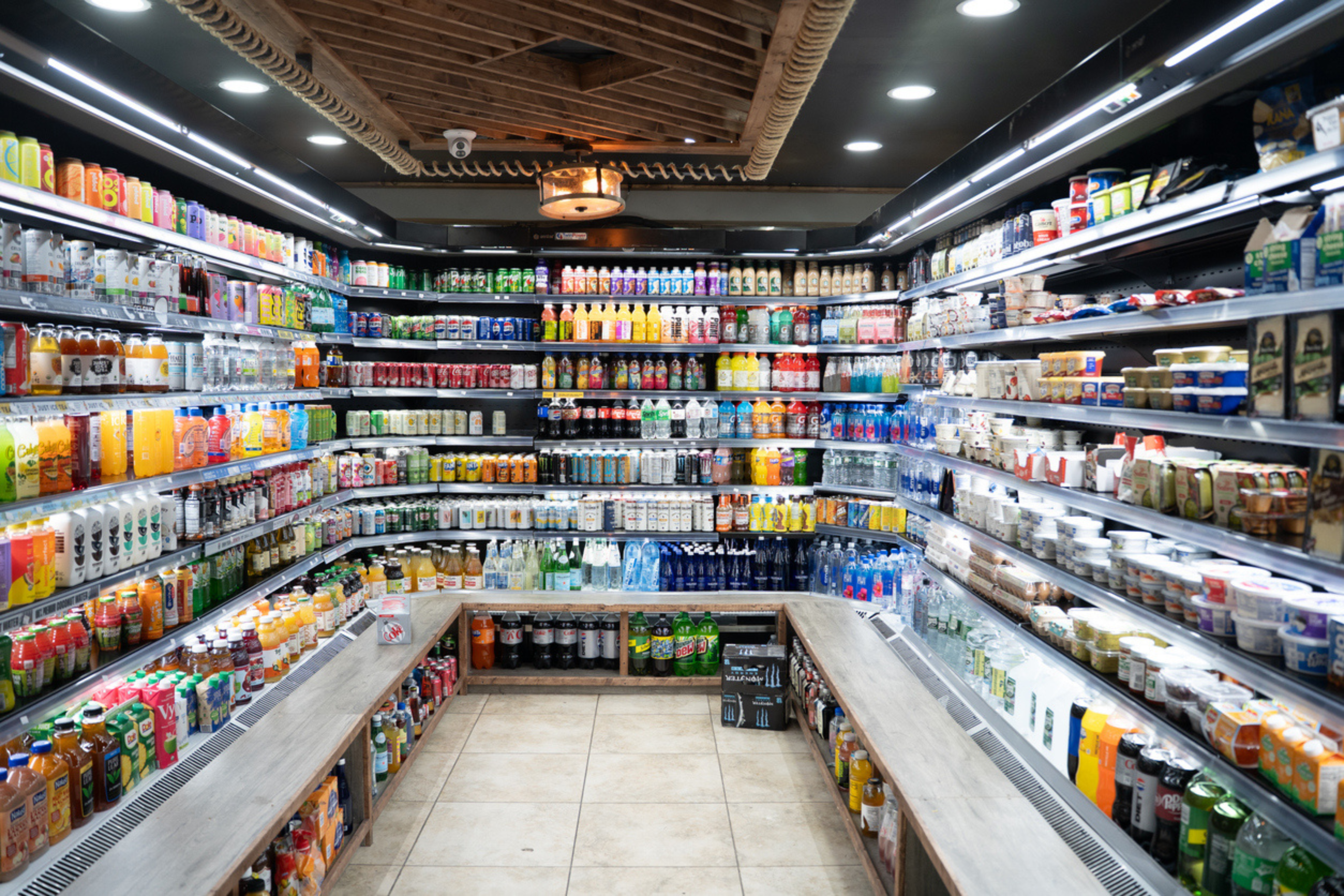
Energy now leads the trip for a lot of c-store shoppers. Circana puts c-store energy drink dollar sales up 10% to more than $16 billion in 2025. Casey’s reported energy sales up 14% in its fiscal third quarter.
At a category management roundtable, operators described growing energy from one cooler door to three, taking space from water and beer based on local data. They are also putting high-margin impulse items next to energy to build the basket. The growth is in what one operator called energy with benefits: drinks that add probiotics, fiber or lower caffeine.
The cooler is being reset store by store. A brand that knows how a retailer is reallocating those doors will have a better conversation than one that asks for another facing. Operators put the average basket at about $11.50, so a promotion that reads as added cost will not land.
- Retail media is growing up
Media networks and in-store screen delivery are big opportunities that come with some challenges and cautions.
Love’s, Circle K and 4Court Media are all building or relaunching media networks. The mood on Thursday’s retail media panel was cautious. At Love’s, media is about 1% of revenue. Tommy Greenberg, general manager of Love’s Media Group, put it plainly: retail media is “not the straw that stirs the drink” but acknowledges it can be tempting to maximize in-store media execution. Within convenience stores it can quickly reach a point where customers are over-exposed to signs, screens and promotions, and when that happens they are likely to shop elsewhere.
The panel agreed on the order of operations: The retail offer comes first, and media amplifies it. Circle K cited a winter program that hit summer-level sales numbers because the merchandising and the offer were aligned before any screen went live.
Physical in-store execution is the gap we kept returning to. Dan Seymour of 4Court Media mentioned examples of in-store screens frequently are a monitor hanging in a corner with wires showing, because most retailers install them on their own. Many operators we spoke to agreed – fitting screens into stores is challenging since the stores were never designed for them.
Fuel pump media is a different story, but not without challenges. The beauty of the fuel pump is you have a captive audience for a few minutes. Pumps are great when they motivate a trip into the store because they earn their media CPM while also improving lift. The value drops off when it features and ad for something like a quick serve restaurant down the street, a more common problem for operators who don’t run their own network.
When considering media opportunities, brands should push for placements that sit where the product is, and for measurement that shows incremental sales.
- Food is a reason to visit, and focus beats breadth
This was the dominant theme of the general sessions. Prepared food and beverages are now 28% of c-store in-store sales, up from 12% two decades ago. One in three c-store customers visits a quick-service restaurant within 30 minutes of a c-store stop. Frank Gleeson, president and CEO of NACS, put the sales lost to unmet food expectations at about $100 billion a year. “We’ve long said that you have to be famous for something,” he said.
The Ideas 2 Go segment featured five stores, and each one was a layout, food or brand story. Chestnut turned its tobacco space into a 24-hour kitchen. Weigel’s put food islands front and center and moved to open pizza trays, which tripled pizza sales at one store. Doug Yawberry, Weigel’s CEO, called it food “you buy with your eyes.”
There was a counterweight. NACS Research reported in-store transactions down 4.5% in the first half of 2026, with foodservice sales up only 0.3%. Chris Rapanick of NACS Research said he would hit the brakes on made-to-order if he were a small operator.
While a stronger food program can bring in trips, it also uses considerable space and labor. Packaged options that pair with the food offer such as drinks, a snack or a side, have a clearer value proposition.
- The brand is rooted in store fundamentals
On the Gen Z and Gen Alpha panel, every speaker said some version of the same thing. Clean restrooms, safety and friendly staff drive store choice for every generation. Kevin Smartt of TXB said no app makes up for a dirty restroom.
Technology still matters, but younger shoppers assume it is there. Asked what would improve a c-store, they did not even mention mobile ordering or payment.
Lonnie McQuirter, the incoming NACS chairman, made the same point in the opening general session. He challenged owners to stop thinking of the business as just a gas station and to compete on experience instead of price.
What to watch going into 2027
SNAP stocking rules. New requirements for SNAP-authorized retailers take effect Nov. 4, and operators said they are confusing. Brands with compliant, shelf-stable items can help retailers meet them.
Nicotine pouches. They were the fastest-growing category on the floor. They matter to the c-store P&L more than store design, but they are taking space.
EV charging. It came up less than we expected. The read is that a national charging strategy does not pencil out until adoption is much wider, so most of the action stays at home chargers for now.
Protein, energy drinks and media. What is the future for this year’s big trends? Like all trends, something else eventually comes along and grabs our focus. Right now there is no end to the demand for protein and energy drinks, so we expect more focused buying and visual merchandising in both categories. As store designers, we’re exploring how better screen-based media can enhance the shopping experience without making the store feel like a Las Vegas casino.
The c-store turns 100. 2027 marks the 100th anniversary of the convenience store, and NACS is already building toward it!
We can’t help but look back on NACS and the c-store industry through a brand experience lens – one that is based on the philosophy that humans quickly take-in sights, sounds and smells, and make 80% of a purchase decision before they reach the shelf. A store that properly sets stage for what a shopper wants and needs from the visit will sell more.
- Table stakes come first: clean bathrooms and floors, and paint, counters and fixtures that show little wear. Sometimes the problem is not a design issue at all.
- Convenience means different things to different people, but finding what you want quickly matters to everyone. Signage, wayfinding and sightlines should work together to get shoppers to what they came for, fast.
- Protein and energy drinks drive trips, but they are not ownable. Your nearest competitor probably carries the same items.
- So decide what is ownable. Pizza by the slice that rivals the world’s great pizza shops? Great. Fried chicken people will line up for? Yes. A section with the most viral toy on TikTok? Go for it. The cleanest bathrooms within 100 miles? Yes, please. Whatever it is, invest in it and become known for it.
- Make in-store media as valuable to shoppers as it is to your P&L. That means relevant content and real offers, delivered in ways that help without getting in the way.