

Chute Gerdeman and ASG hosted “Noise in Retail” on June 5 in New York City. Here’s what the room walked away with…and what retail leaders can do next
Retail tracks everything. Conversion, basket size, NPS, comp sales, shrink, average transaction value. We obsess over what moves the needle and why.
But there is one variable that affects every one of those metrics, sits inside every store, and almost nobody is measuring it: sound.
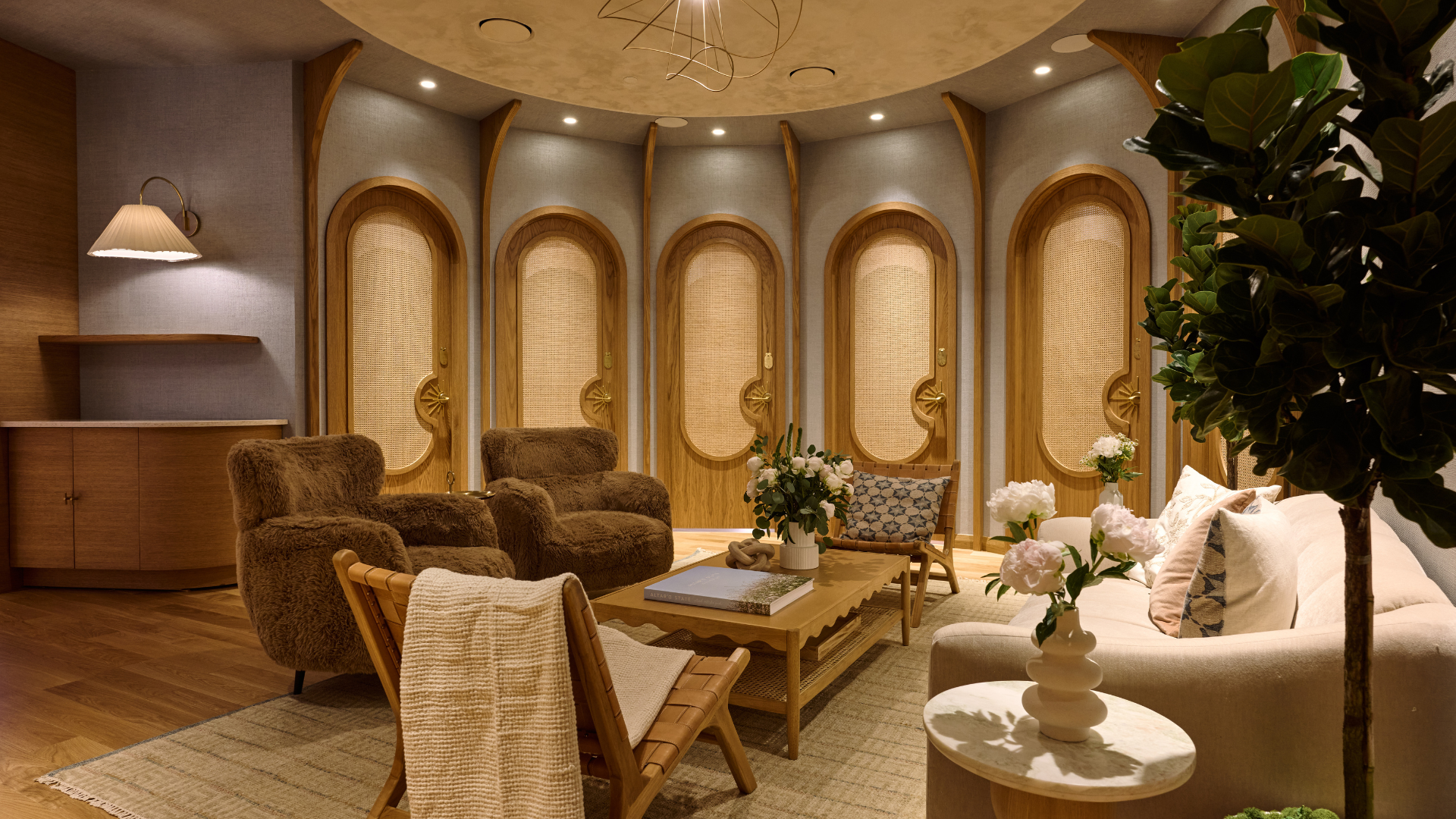
On June 5, Chute Gerdeman and ASG, in partnership with Akoio, brought together fifty senior retail leaders at Convene 237 Park Avenue in New York to have a conversation the industry has been avoiding. Two panels, a live audiology presentation, a decibel reader running in real time at the front of the room, and one message that nobody left the building without: you can’t unhear this now.
We Got Everyone’s Attention
The Akoio and ASG research team conducted in-store auditory audits across multiple retail environments. The findings were direct. Akira peaked at 86 decibels. Aritzia hit 93 dB. OSHA considers 85 dB the threshold for hearing damage with prolonged exposure. Both of those stores are operating at or above that line, day in and day out, with employees standing in them for eight hours at a stretch.
For context: a busy bar runs around 90 dB. Most retail stores peak in the mid-90s. A fire truck going by is 100 dB. Customers walk in from that environment expecting relief. Most of the time, they don’t get it. When store environments spike near recognized occupational noise thresholds, leadership should not treat sound as atmosphere. It is an operational input.
Customers may spend twenty minutes, forty minutes, or an hour inside a store. Associates spend full shifts there. That difference matters. What feels energetic to a shopper can become exhausting to the person expected to sell, solve, restock, greet, recover, and smile through it all day.
Sixty-eight percent of working Americans factor noise levels into their decision to accept a job. Eighty-two percent of shopping decisions are made with a customer physically present in the store. Those two statistics tell the whole story. Noise is not just a design problem. It is a talent problem, a customer experience problem, and a business problem.
The Employee Side Is Where It Gets Serious
Retail already has a well-documented retention problem. Exact turnover and replacement-cost estimates vary by source and brand, but the pattern is consistent. Frontline workers are difficult to retain, expensive to replace, and central to the experience customers remember. Industry figures put annual turnover at 60 to 81 percent. Seventy-two percent of those people leave retail altogether. The cost to replace a single retail employee runs between $7,500 and $10,000 when you account for job posting, interviews, training, and onboarding. The math gets uncomfortable fast.
What the room heard is that noise sits inside that equation. McKinsey identifies health and well-being as the third most common reason employees leave retail. Sound is not the whole story, but it is one of the conditions employees endure longer than anyone else in the store. The physiological effects go well beyond fatigue. The World Health Organization links excessive noise to health impacts that include annoyance, sleep disturbance, hearing impairment, tinnitus, cognitive impairment, hypertension, and ischemic heart disease risk. CDC/NIOSH reports that approximately 12 percent of all retail trade workers have hearing difficulty and about 7 percent have tinnitus. One audience member, a senior executive at a large national retailer, shared that their company had tested sensory-friendly hours: lights lowered, music off, the TV wall quieted, early in the morning on Saturdays. The customer’s response was immediate and strong. More telling, associates asked to shift their hours to those times. The program now runs daily from opening through mid-morning and has expanded to overnight stocking.
That is not an edge case.
The Design Conversation
That is what happens when a store gives people relief.
The second panel moved from the people side to the physical environment. This is where our work at Chute Gerdeman sits directly.
Sound is almost always an afterthought in the design process. Materiality gets specified, the layout gets resolved, the brand story gets built into the space. Then the value engineering conversation happens, and auditory design considerations are among the first things cut when schedules compress and budgets tighten. The result is a store that looks exactly right and sounds exactly wrong.
The relationship between design and sound runs deeper than most retailers realize. Hard surfaces reflect. Open floor plans amplify. POS systems chirp. HVAC hums. Metal fixtures clatter. Digital screens compete. None of these are individually catastrophic. Together, over an eight-hour shift, they accumulate into something that drives fatigue, reduces focus, and degrade the quality of every customer interaction.
The opportunity is to make sound intentional rather than incidental. Sonic branding, in-store materiality, thoughtful wayfinding cues, operationally, and designated quiet zones inside the store are not luxury features. They are tools for protecting the experience your brand has spent years building.
The panel also surfaced a point about return on experience versus return on investment. ROI asks what we got for what we spent. ROX asks what changed across the metrics that matter: customer loyalty, employee engagement, brand trust, dwell, repeat visits, and retention. A well-designed auditory environment does not show up in next week’s comp. It shows over time when top performers stay, customers keep coming back because they feel comfortable, and your competitors are trying to figure out why you feel different. The store simply works with people instead of against them.
What Leaders Can Do Right Now
The room’s most important question was also the simplest: given that the noise is not going away by itself, what can leaders actually do?
The answers ranged from immediate to structural. And the broader retail market is starting to move. Sephora globally launched “Quiet Hours” in late June, reducing music and adjusting screens during the first hour of business on Tuesdays and Saturdays. Walmart, Target, and Chuck E. Cheese have made similar moves. These are not niche accommodations. They are signals that the category is beginning to recognize what the research already shows: a calmer environment converts better, retains employees longer, and serves a broader customer base than brands realize.
Three practical first steps
1. Walk the store as a customer. Enter from the sidewalk or parking lot. Notice the first sound that hits you, where the volume spikes, where competing sounds overlap, and where your body wants to leave.
2. Ask five associates one question. What sound, alert, system, or interruption makes your shift harder? Do not defend the current setup. Listen for patterns.
3. Identify one auditory area you can improve. One small step can make a positive impact on your staff and your shopper. By implementing features like sensory friendly hours, reducing unnecessary alerts, or creating a quiet recovery point, you can elevate your brand experience with confidence. Start small, and make it visible.
At the leadership level, the call to action is to walk the floor and actually listen. Not to look at execution, not to coach the associate. Stand still and count the sounds. Ask your team what they hear. Ask how they feel at the end of an eight-hour shift versus the beginning. Ask whether the environment is helping them do their job or working against them.
Most importantly, put sound on the operating checklist. If a store leader can walk for lighting, cleanliness, merchandising, and labor coverage, they can walk for noise. At the design and strategy level, sound needs a seat at the table before value engineering starts, not after. Noise and its impact should be specified with the same rigor as lighting or fixture systems. The conversation between design intent and physical outcome has to include what the space sounds like, not just what it looks like.
The Takeaway
Fifty leaders spent three hours in a room in New York learning that the environments they have built for their employees and customers may be quietly working against both. The data is real. The health implications are documented. The business connection is direct enough to deserve attention now.
The starting point is not a major capital project. It is listening, measuring, and removing friction. For some brands, that may mean small operational adjustments. For others, it may mean a portfolio-wide auditory audit and a more intentional approach to how sound is designed into the store experience.
Chute Gerdeman and ASG are already helping brands move from anecdote to evidence through the Akoio auditory audit process. The audit is the starting point: decibel benchmarking, interference mapping, employee and customer impact assessment, and prioritized recommendations. From there, the design and strategy work begins.
Download the Auditory Experience report to see the audit findings and use the three-step checklist above to start listening differently this week. The industry tracks everything. It is time to start tracking this.
Chute Gerdeman is a retail design and strategy firm with an office in Columbus, Ohio. For more information on the auditory audit program or to start a conversation about your store portfolio, contact Chute Gerdeman.