

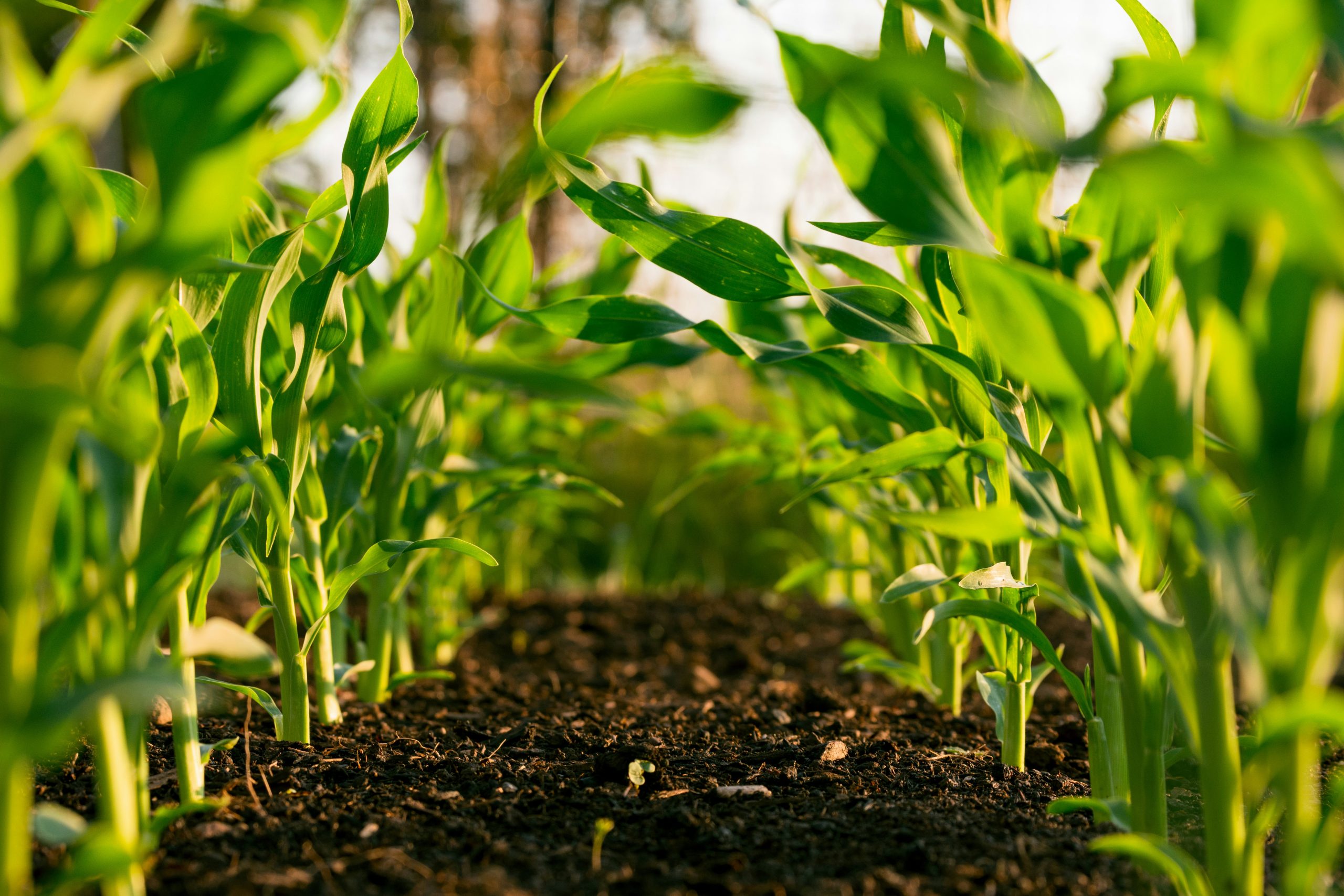
For decades, a trip meant checking into a hotel, seeing the sights, snapping a few photos, and coming home with some souvenirs. Now, people want more than rest. They want connection. They want memorable experiences, and they’re finding that through agritourism and culinary travel.
At First Glance
According to Grand View Research, agritourism has experienced significant growth in recent years, driven by factors that appeal to both domestic and international travelers seeking authentic rural experiences. The global agritourism market size was estimated at USD 8.10 billion in 2024 and is projected to reach USD 15.78 billion by 2030, growing at a CAGR of 11.9% from 2025 to 2030.
If you’re unfamiliar, “Agritourism” is tourism rooted in the farm and food experience. Instead of just visiting, guests roll up their sleeves and take part in rural life, whether that’s picking apples straight from the orchard, helping with baby animals, or tasting cheese made on site. It blends learning, entertainment, and hands-on activity, giving travelers a deeper connection to the land and the food on their plates.
Culinary travel can be part of an agritourist experience, but for some foodies, it’s a way to have extraordinary food experiences, like traveling to Mexico City to eat and Pujol or traveling to Denmark to eat at Esmee.
Hands-On Experiences Over Spa Days
While some love a vacation with rooted in relaxation and release, others can’t wait to find their next favorite hobby. Many of these hobbies live in vineyard rows, farmhouse kitchens, in activities that the agritourism world continues to uncover.
Some vacationers don’t want to just check into a hotel and sip wine; they want to explore the vineyards and stomp the grapes. They aren’t just looking for the best Italian restaurant in town; they want to make their own pasta alongside an artisan pasta maker who can tell them stories about the origin of the dish they’re helping to create. These hands-on moments create stronger, more palpable memories, and it’s the reason why some people are opting for more hands-on experiences on vacation.
Food As Wellness
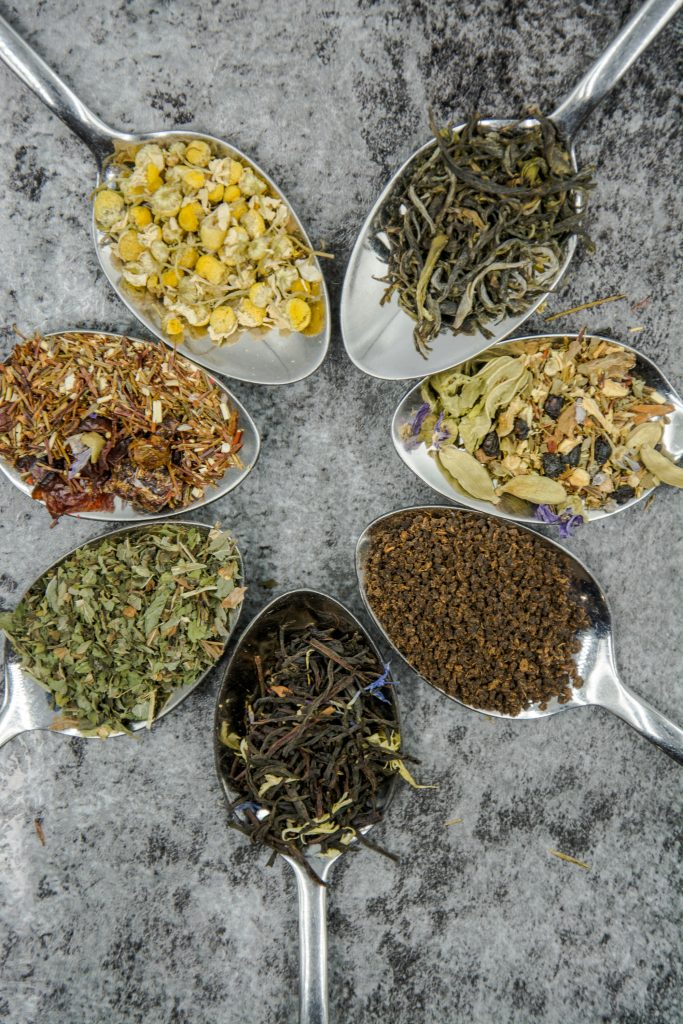
Wellness isn’t just cucumber-covered eyes and massages – for many it’s about truly understanding and appreciating what we put in our bodies. Some vacationers are spending their spring break standing barefoot in a field and gathering herbs to incorporate into a meal they help to prepare.
Gathering ingredients, stirring, chopping, and pressing can calm the mind, sharpen the senses, and create a sense of presence. Food becomes more than fuel; it’s therapy, meditation, and a way to reconnect with the land, culture, and self. Travelers discover that well-being isn’t just physical; it’s mental, emotional, and deeply tied to what we eat and how we experience it.
Seeking Authenticity & Personalization
Travelers are seeking personalized experiences that align with their values and personality. For travelers who are interested in environmental causes, there are opportunities to stay on farms that are committed to regenerative agriculture and learn what farmers are doing to protect and nurture the land – and play a part their work.
And for the foodies of the world, culinary travel is a booming economy. According to Precedence Research, the increasing attraction towards travel and tourism activities and interest towards exploring the localized food and culture is driving the growth of the culinary tourism market. The global culinary tourism market size was calculated at USD 13.83 billion in 2024 and is predicted to reach around USD 85.04 billion by 2034, expanding at a healthy CAGR of 19.92% from 2025 to 2034.
Tourists can spend a day with a local fisher catching their dinner, take a cooking class learning recipes native to the area, or discover entirely new food dishes that challenge their palates. Tour companies are offering food-oriented travel packages and travel destinations specifically designed for the food that will be experienced during the trip. The common theme is personalized travel experiences that can’t be replicated.
Chasing Hidden Gems
With the pushback against oversaturated tourism rising, travelers are bypassing overcrowded tourist destinations to discover hidden gems, and they’re finding authentic and memorable moments at roadside cafes, small distilleries, and rural towns that have been overlooked by the tourism industry. It’s a quest for authenticity in which the journey becomes part of the story. Conversations with locals, unexpected detours, and undiscovered historical artifacts create an experience unlike a basic trip to Paris or Rome where you’re jostling with everyone else trying to get the same photo.
Why It Matters for Communities
For farmers, it’s more than hosting guests, it’s rooting an experience in hospitality. Agritourism provides a valuable second income stream, helps highlight and sell products directly, and builds awareness of modern farming practices. It also plays a significant role in preserving farmland and keeping rural traditions alive. It’s an economic boost for communities, and a sustainable practice in consumption. And for the hosts that truly embrace fostering hospitable experiences, they can turn a “customer” into repeat clientele. This is one of those rare windows where hospitality through agritourism can lead to generational connections between the host (or brand) and the guest.
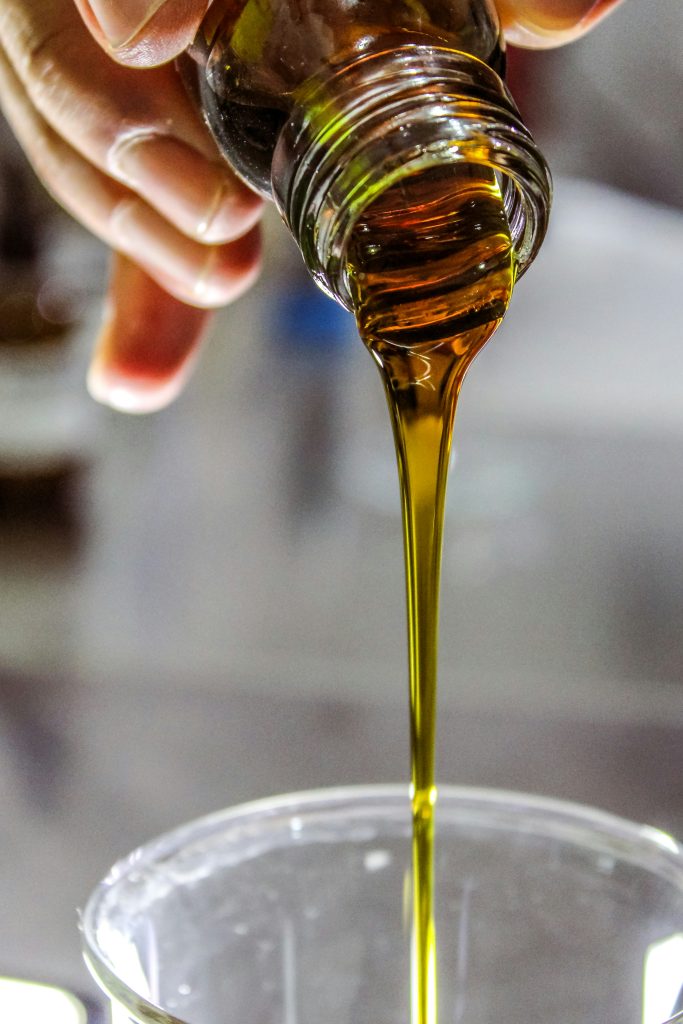
For visitors, the benefits are just as rich. Agritourism offers an escape from routines, a chance to reconnect with nature, and experiences that feel both personal and memorable. It’s a different way to break the mold from the classic consumerism we know, leaving travelers with a deeper appreciation of agriculture and stories they won’t find in typical tourist destinations. You’ll always remember the vintner who shared stories, or bring home the new techniques you learned pressing olive oil side by side with a farm host.
“To travel is to live.” – Hans Christian Andersen
It’s not to say that the vacation as we know it is going away, it’s really that agritourism and culinary travel provide experiences that engage multiple senses and emotions. The becomes educational, with skills and memories that will remain with the traveler long after the suitcase is unpacked.
Agritourism trips can change how we cook, eat, and think about the food on the table. It reframes the way we see culture around us, and its impact on our daily lives via the details we often take for granted.
The next frontier of vacation isn’t about going farther. It’s about going deeper. Travelers are seeking meals, moments, and makers that can’t be replicated. It’s about choosing connection over consumption.
For more access to award-winning design projects, personalities, research, and more – subscribe to The Gist here.