
A New World of Play
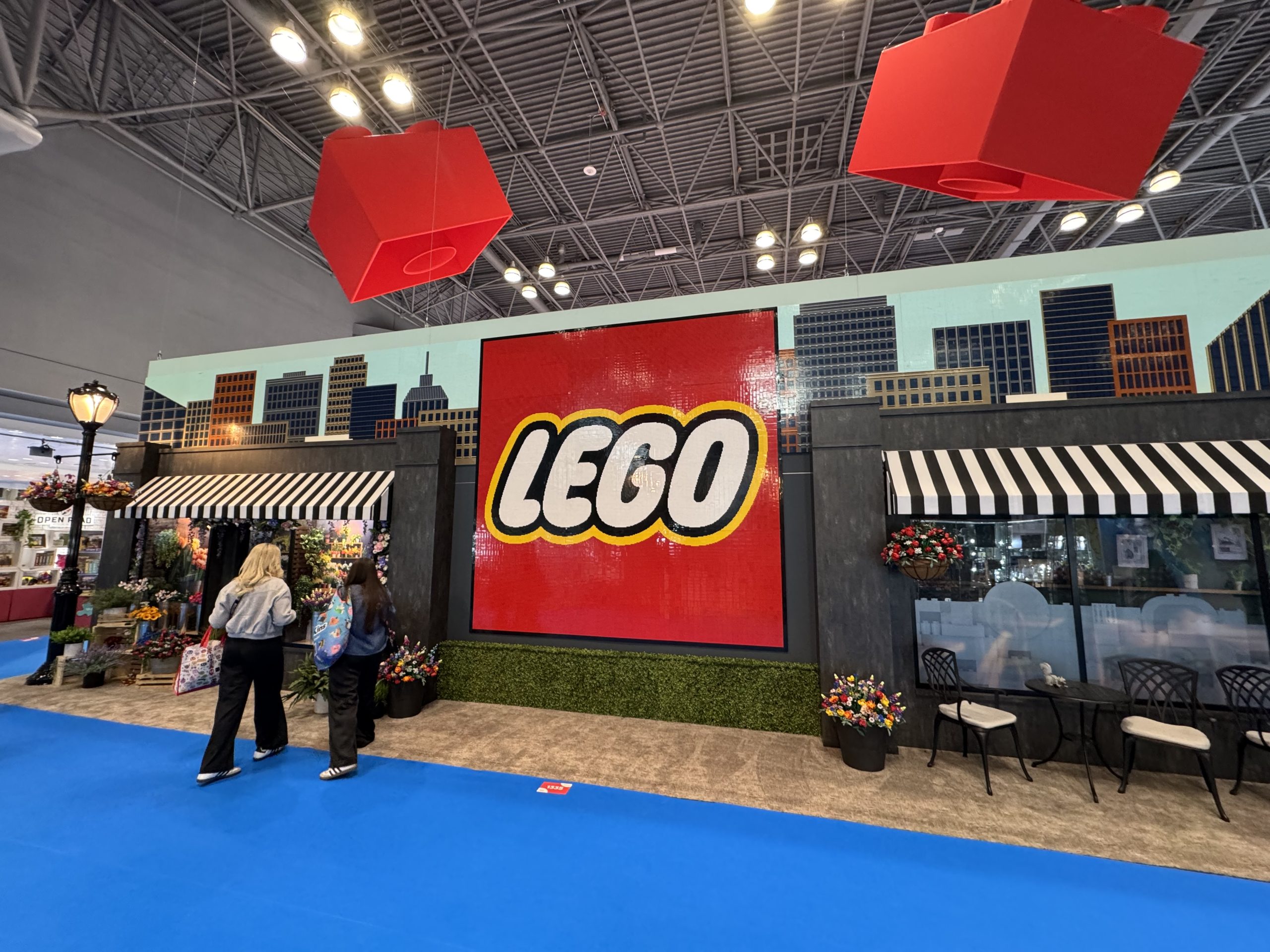
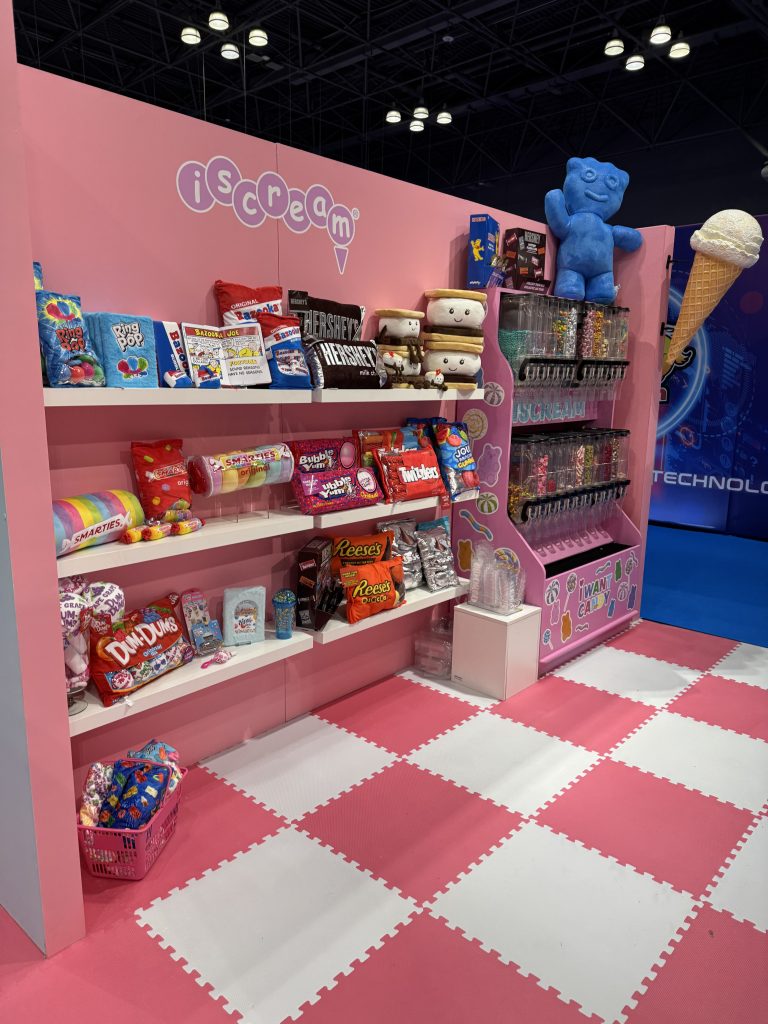
Toy Fair was loaded with product innovation, new and exciting experiences for every generation, and partnerships you’d have to see to believe. Exhibits felt like real, shoppable retail spaces. Toys felt refreshing, engaging and alive. It was a conference that truly celebrates the analog, hands-on experience.
We couldn’t help but notice themes that really brought generations of consumers together, while paying homage to times passed, and exploring what’s ahead. The world of play and retail is experience personified, and if we had to summarize, there are three key themes that are differentiating play and retail in 2026.
#1 – Partnerships and Intellectual Property Drive The World of Play Forward
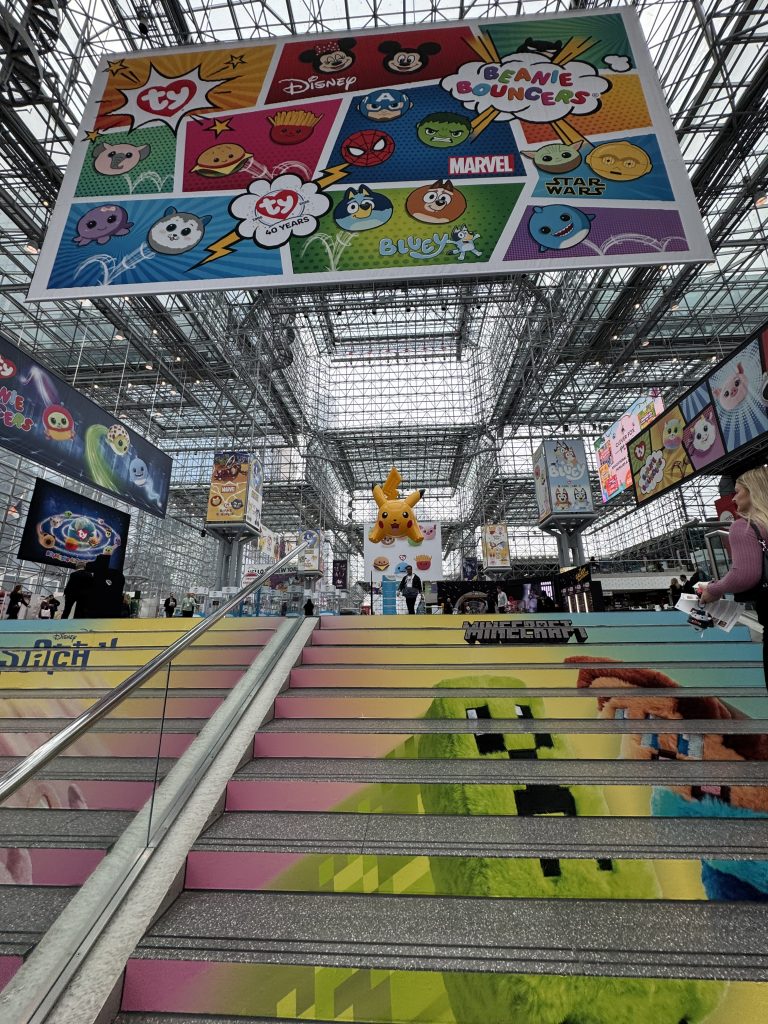
We saw it across the board – nearly every toy brand was prepping to launch a new product in partnership with a new or existing IP. Whether it be Star Wars, KPOP Demon Hunters, Peppa Pig, you name it. These partnerships aren’t just necessary; they were critical to toy makers this year.
Much of the influence in the toy space also seems to stem from Asian culture, with Anime viewership and popularity growing insurmountably in the west since 2020. One Piece, Demon Slayer, Dragon Ball and other iconic anime franchises dominated the spectrum of toy offerings, making their way into everything from plush, to collectibles, to digital items and so much more.
Additionally, there’s a focus on Kawaii items (Japanese for cute / adorable). These items often took iconic figures we know well, like Hello Kitty, or Goku from Dragon Ball, and reimagining them as cute collectible plush figures. These collectibles are innocent, fun, child-like, and are growing in popularity here in the U.S.
#2 – Nostalgia Is The Bridge to Generational Connection
Toy makers really understand their brands, and the roles their products have played in the consumer’s lives. There are eras of toys that span every generation, from the original Little Tyke’s buggy, to hyper digitally driven toys and video games. Today, brands are finding new and intuitive ways to bring generations of end users together.
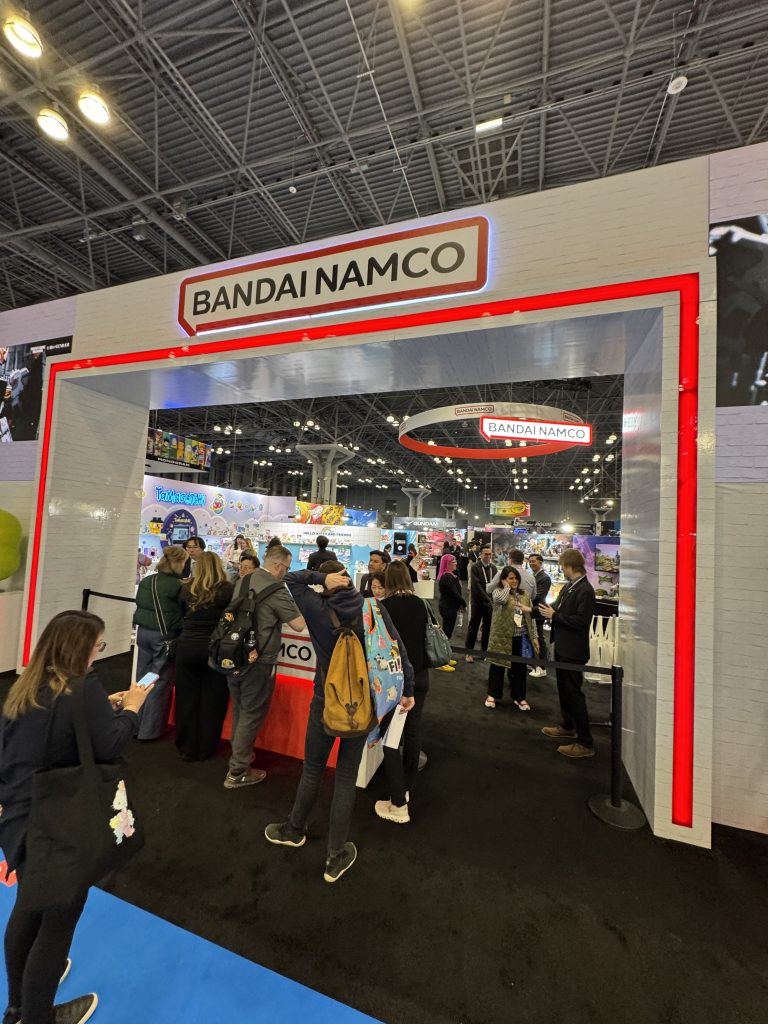
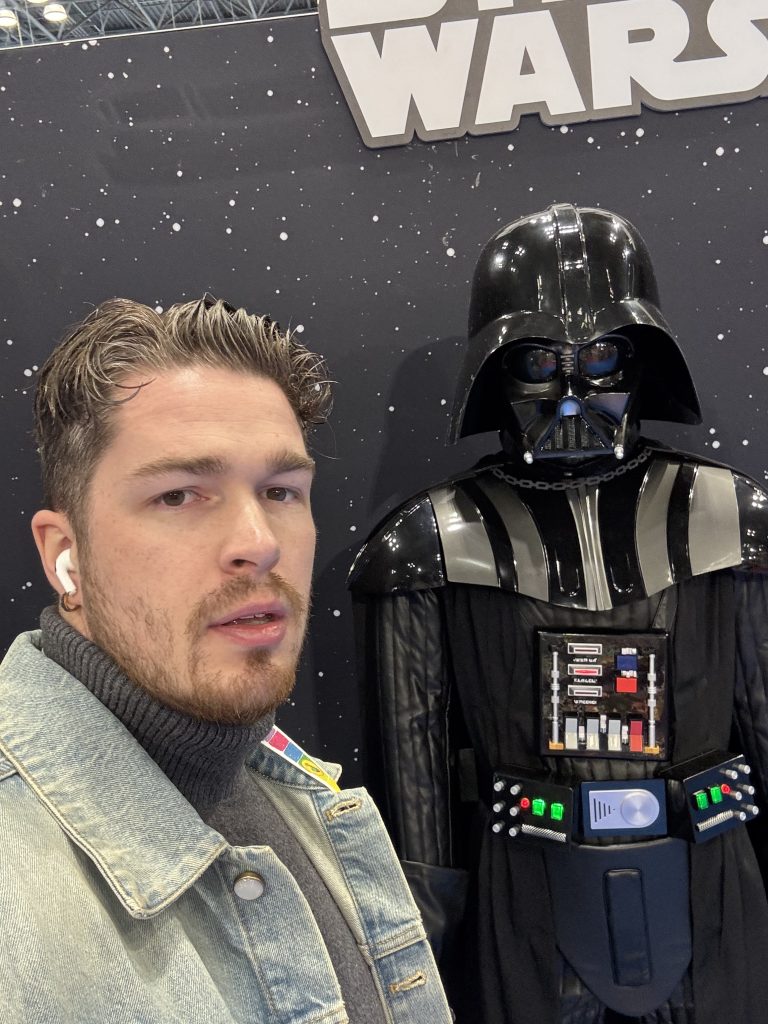
Gen X will never forget the moment they first laid eyes on Darth Vader in a theatre. Today’s children will never forget the first time they built their LEGO Death Star. But the common thread is tying these brands and critical assets to what’s popular now and bringing the “Kidult” together with the kids of today. It’s clear that many of today’s kids are curious and inspired by toys and IPs of the past. We spent some time with Bandai Namco and learned that Tamagotchi is doing exceptionally well with today’s consumer, and has expanded into many products outside of the classic digital pocket toy we all know and love. Not bad for a toy that piloted in 1996.
Historic board games and activities (Monopoly, Yahtzee etc) have continued to evolve and find ways to relate to the player of today, while also maintaining the root of who they are at their core. This inclusivity and flexibility is bringing the entire family together, with Kidults taking a trip down memory lane, and younger players creating memories in the here and now.
#3 – Caring For The “Kidult”
As games, toys and collectibles have evolved, it’s opened a new world for Kidults to stay highly engaged with the brands and items they grew up with. For the millennial generation who watched Dragon Ball Z, Cartoon Network, SpongeBob, and other 2000’s icons, toy makers and manufacturers have found ways to add a level of sophistication and charm to items that keep them relevant to a more mature, yet passionate fan of the brand.
LEGO’s pivot toward art & botanicals is giving Kidults the chance to factor LEGO and play into their home décor, turning toys into legitimate contenders for interior design assets. Other players on the block, like Funko, have embraced a culture of collectibles that keeps their fans engaged and excited for what’s coming next, releasing Funko characters in small batches to increase collectability and exclusivity.
Customization is also a major factor in many of the toy brand’s offerings of today, giving end users a chance to create new versions of their favorite toys, figures and items that reflect who they are now, and pay homage to who they once were.
It’s a circular ideology really, using the threads that connect us emotionally to certain IPs and showcasing them in a way that aligns with the Kidult of now. Trading card franchises, like Pokémon, are larger than they’ve ever been. Pokémon, like others, have built online cultures that are tailored around the excitement and thrill of new unboxings, pack openings and more. This thrill of the unknown, whether it be the card inside the pack or the collectible in the blind box, is bringing generations of consumers together to start collecting and growing.
We can’t wait to shed more light on the future of play and how it intersects with the retail world. For more access to award-winning design projects, personalities, research, and more – subscribe to The Gist here.