
A toy store is one of the easiest retail environments to get wrong. The product sells itself to a point — and that is exactly the problem. Most brands in that position stop designing for the customer and start designing for the shelf count.
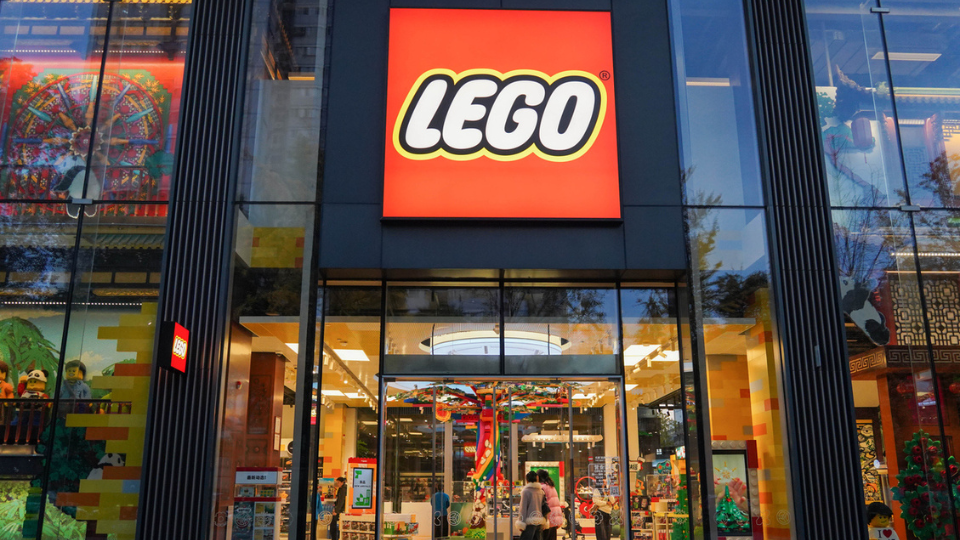
LEGO is one of the few that went the other direction. Its stores are built around what customers do when they arrive, not what they are supposed to buy. Build-a-Minifigure stations, hands-on customization areas, and city-specific installations make each location feel particular to where it sits. In select flagship stores, customers can turn a photo on their phone into a one-of-a-kind LEGO mosaic. The product is still on the shelf. But it is no longer the whole point of being there.
That approach did not come naturally. LEGO nearly collapsed before it figured out what its stores — and its brand — were actually for.
A Brand Built on One Idea
Founded in Denmark, LEGO originally used wood as its primary material, creating simple sets and miniature cities complete with automobiles and LEGO figures. The name LEGO is derived from the Danish phrase “Leg Godt,” meaning “Play Well.” By the 1980s, the company had become a global leader in the toy industry, with nearly 70 percent of children worldwide owning LEGO bricks.
What Happens When Growth Becomes the Strategy
Beginning in the 1990s, LEGO entered a difficult period after becoming a household name. In an effort to attract new customers and expand its audience, the company rapidly diversified its business and introduced a variety of new experiences. Legoland amusement parks opened around the world, featuring elaborate LEGO displays and attractions. Rather than focusing on what LEGO did best, however, the company began reacting to trends and attempting to establish itself in areas where it lacked experience.
New products strayed from LEGO’s traditional design principles, and the pace of expansion created confusion around the brand. Major toy retailers, including Toys “R” Us, reported growing inventory backlogs as products failed to sell quickly enough, causing LEGO to lose its competitive edge.
By 2003, LEGO found itself with its back against the wall. The company was on the brink of bankruptcy and desperately needed a course correction.
Survive First, Then Grow
Jørgen Vig Knudstorp was appointed CEO after authoring a report that honestly documented LEGO’s trajectory if significant changes were not made within a few years. He made it his mission to restore the company’s core principles and style of play by prioritizing the brick and reestablishing LEGO as a toy that consumers could continuously reinvent and invest in.
His first priority was defining the difference between surviving and growing. LEGO needed to survive before it could grow again. This meant difficult decisions, including layoffs, scaling back brick production, and separating the Legoland parks from the core business.
Knudstorp was direct about reshaping the company’s culture. He moved the organization away from complacency and wishful thinking by centering decisions around data. Visual performance metrics were displayed throughout offices, workspaces were redesigned to encourage collaboration, and accountability became a core expectation across the organization.
After five years of stabilizing the business and returning LEGO to profitability, the company was finally ready to enter its next phase of growth.
Growth Built on Watching How People Actually Play
That growth was driven by human insight. LEGO conducted extensive conversations with superfans, consulted psychiatrists to observe how children interacted with the bricks, and even required some designers to spend time living with families to better understand how children actually played. These efforts allowed LEGO to grow while remaining true to its core identity, preserving the qualities that made the brand worth saving in the first place.
The Customer Who Stays
LEGO has continued to build on its customer relationships through exclusive customization features, iconic collaborations, and product lines designed specifically for AFOLs (Adult Fans of LEGO). The company has cultivated a dedicated fandom that works directly with LEGO designers to help create products that feel authentic and relatable to builders. Some fans have amassed collections worth hundreds of thousands of dollars.
Rather than guiding customers through a promotional sales journey, LEGO encourages exploration, discovery, and play. Dedicated spaces for hands-on customization put creativity at the center of the customer visit. From themed lifestyle displays and larger-than-life installations to city-specific LEGO creations, every store is designed to feel particular to its community while remaining unmistakably LEGO.
What LEGO figured out — that customers who feel something in a store come back, and bring people with them — is not a secret. Most brands just build the store before asking what customers are supposed to feel.