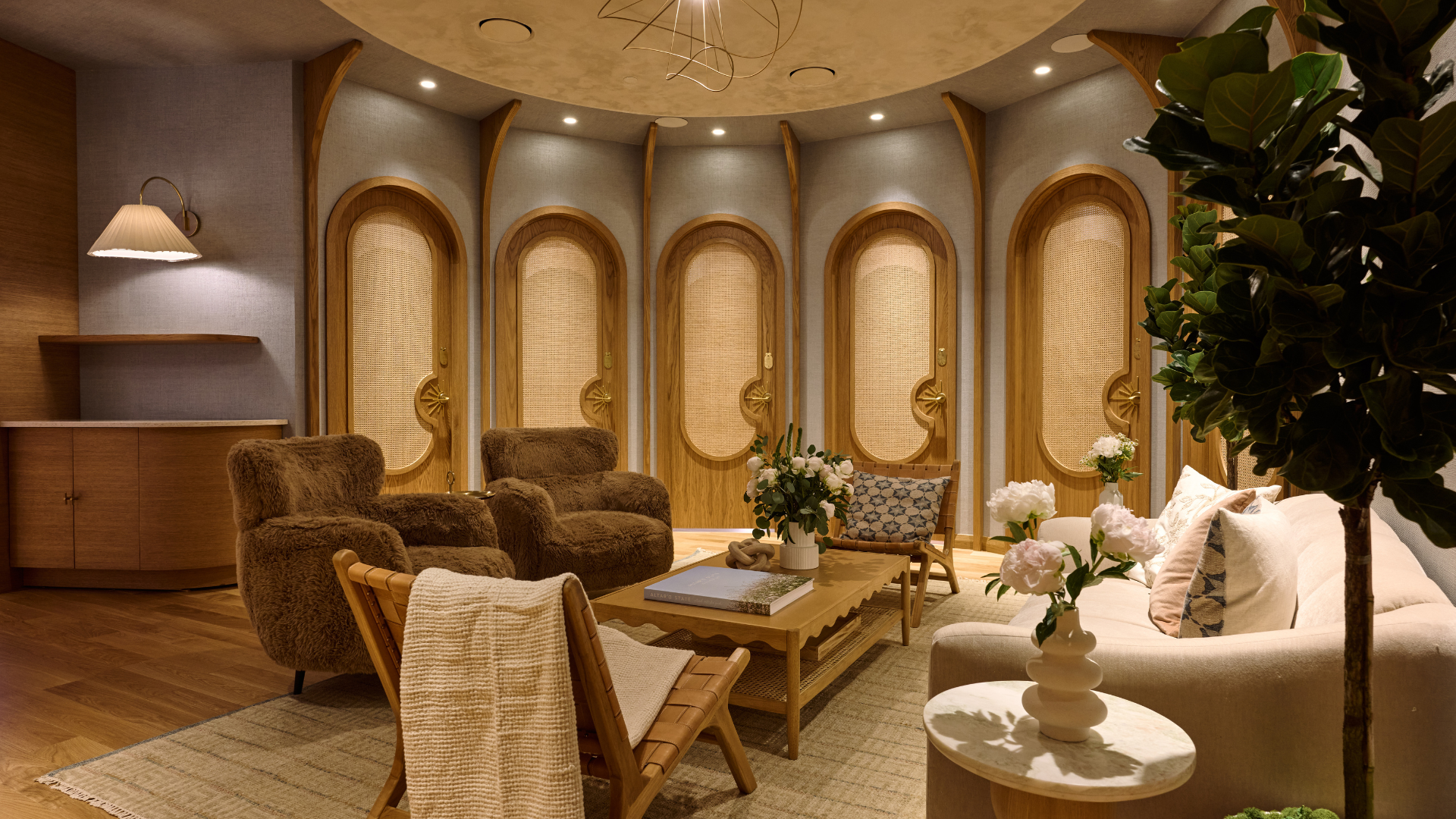

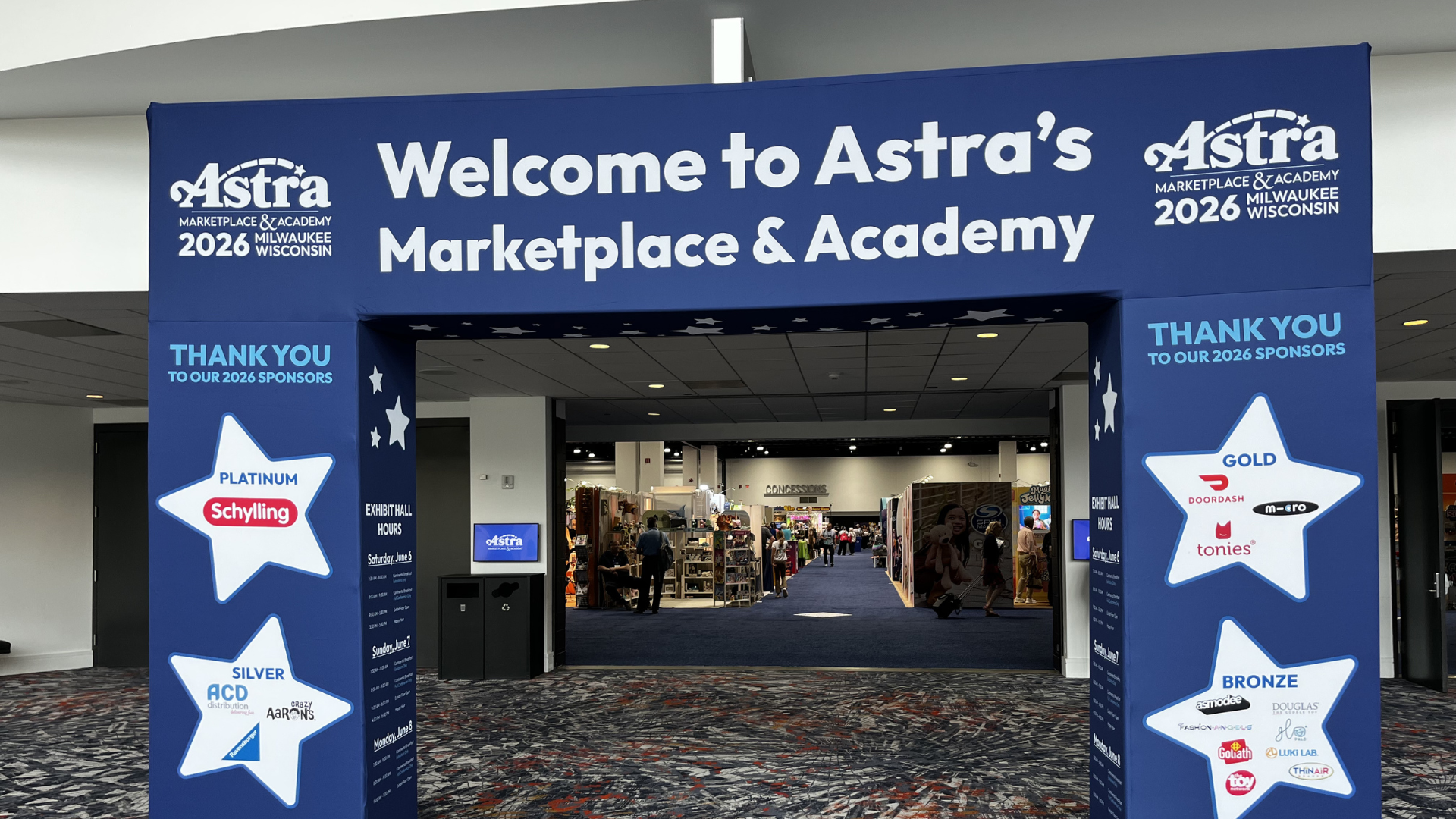
We spent a few days on the ASTRA show floor this June. Here’s what stuck with us — and why it reaches well past the toy aisle.
Specialty toy retail is one of those worlds that looks small from the outside and feels enormous once you’re in it. ASTRA, the American Specialty Toy Retailing Association’s annual gathering, is where that world converges: independent shop owners, emerging brands, founders who bootstrapped something unusual and are now trying to figure out how to grow it without losing what made it special. We went because we’ve been deep in the toy and play space this year.
Walking the floor reminded us, again, why specialty retail is worth watching closely. Not because it’s cute or quaint. Because it tends to solve problems that bigger retail is still arguing about, how to make a store worth going to, how to turn a product into a genuine experience, how to build customer loyalty that doesn’t depend on discounts. The answers are right there on the floor, if you’re paying attention.
Here’s what we’re still thinking about.
Touch is doing a lot of work right now
We’ve written before about sensory retail, the idea that physical stores have a built-in advantage over e-commerce in how they engage the body, not just the eyes. ASTRA made that argument concrete in a way we didn’t quite expect. The texture category alone has gotten sophisticated enough that it deserves its own taxonomy. Cloud. Butter. Slime. Each is a distinct sensory register, and the brands selling them know exactly what differentiates them. Butter is denser, more satisfying in the hand. Cloud is lighter, airier, closer to foam than clay. The people buying these products know the difference too, and they seek out what they’re looking for with real precision.
What we took from this isn’t about slime. It’s about permission. The most tactile products on the floor were also the ones drawing the longest interactions, people picking things up, putting them down, picking them back up. That doesn’t happen by accident. It happens when a product invites touch and a retail environment backs that invitation up. A lot of stores are still designed to protect product from customers, not connect customers with product. That’s worth rethinking.
Niche isn’t a problem to solve, it’s the whole point
The collectibles landscape at ASTRA was a good reminder that “niche” is a different word than “small.” We saw blind box lines anchored around characters specific enough to feel almost absurd, anglerfish, moth men, particular dog breeds. The specificity is the point. When a brand commits hard to a narrow identity, it doesn’t alienate customers, it magnetizes the right ones. Those customers don’t just buy. They create community around the thing.
This is a dynamic independent retailers understand intuitively. The shops that are thriving aren’t trying to carry everything. They’ve made an editorial choice, a point of view, and their assortment reflects it. That curation is itself a form of brand building. It tells a customer: we know who you are, and we picked these things for you. That kind of signal is almost impossible for a big box store to send authentically. It’s one of the genuinely durable competitive advantages in specialty, and it doesn’t require a massive budget to execute.
The stores worth talking about aren’t the ones with the most product. They’re the ones that make you feel like someone thought about you before you walked in.
The show floor and the social feed are merging
Something we noticed across multiple booths: products designed to be demonstrated, not just displayed. Games with built-in social mechanics, play in-store, film it, tag the shop, post it. Plush with sounds and details worth capturing on video. The shareable moment baked into the product itself, not bolted on as an afterthought.
This matters for retail design more than it might seem. If a customer picking up a product is potentially creating content that reaches their entire network, then the store environment is part of that content whether you intended it or not. The lighting, the backdrop, the spatial energy, it all ends up in the frame. Retailers who are thinking about this deliberately are essentially getting free media from every customer interaction. The ones who aren’t are leaving it on the table. Either way, it’s happening.
We saw a handful of brands at ASTRA leaning on familiarity — legacy formats, classic aesthetics, products that reference childhood explicitly. Some of it landed, some of it didn’t, and the difference was usually clear within about thirty seconds of looking at the product. The ones that worked had added something. New material. New interactivity. A genuine reason the thing exists now, not just a reason it existed then. The ones that didn’t were just old things in new packaging, and shoppers could tell.
Heritage is real equity. But it has to be a foundation, not a strategy. The most interesting nostalgia plays we saw were by brands that treated the past as a starting credential — a reason you might trust them — and then gave you something new to be excited about on top of it.
We’d be doing ASTRA a disservice if we only talked about the show floor. The conference sessions were substantive and, frankly, more practically useful than what you typically find at a trade show. The topics weren’t abstract: how do you build culture in a small business, how do you market to parents who are exhausted and skeptical, how do you position toys in a world where parents are worried about screens and AI. Real questions with real operational stakes.
The part we keep coming back to
Specialty retail gets framed, often, as the underdog story. Smaller than mass, more vulnerable to economic pressure, fighting for shelf space and customer attention without the marketing budgets of the big players. That’s all true. But at ASTRA, what we kept seeing was a channel that has quietly built capabilities that mass retail genuinely can’t replicate — curation, tactile experience, community, trust. Not as talking points. As actual operating realities in the stores that are doing well.
There’s a version of this story where specialty is a cautionary tale. There’s another version where it’s a model. We came back from ASTRA pretty firmly in the second camp.
The June edition of The Gist goes deeper on some of these threads. And the latest Brands & Banter episode — a conversation with Tami Murphy of Tamic Strategies about what separates the stores people feel from the stores people just use — is out now. Start there.